

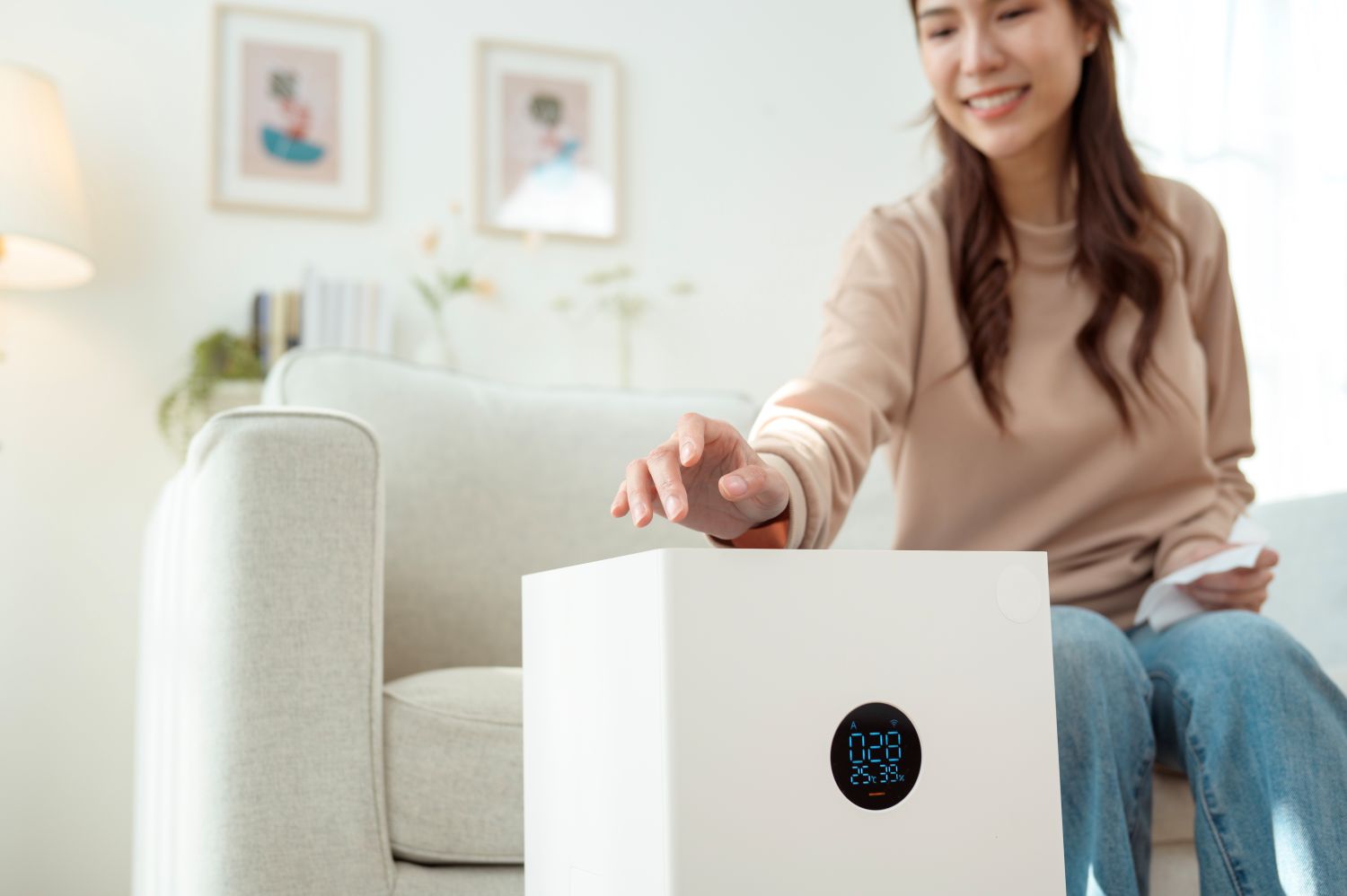
In today’s world, where air quality concerns are on the rise, having an air purifier can significantly improve indoor air quality, especially for those suffering from allergies or respiratory issues. Dust and pollen are two common allergens that can trigger discomfort and health problems, making it essential to choose the right air purifier and filter to effectively combat these irritants. Here, we unveil the best air purifier filters for dust and pollen relief, helping you create a healthier living environment.
1. HEPA Filters
Overview
High-Efficiency Particulate Air (HEPA) filters are widely regarded as the gold standard for air purification. To qualify as a true HEPA filter, it must capture at least 99.97% of particles that are 0.3 microns in size, including dust, pollen, pet dander, and other airborne pollutants.
Benefits:
- Effective Particle Removal: HEPA filters excel at trapping small particles, making them highly effective against dust and pollen.
- Long Lifespan: While they may need to be replaced every 6-12 months, HEPA filters can last longer if properly maintained.
- Wide Availability: Many air purifiers come equipped with HEPA filters, making them accessible and easy to find.
Recommended Products:
- Dyson Pure Cool TP01: This air purifier features a HEPA filter and is known for its sleek design and effective dust and pollen removal capabilities.
- Honeywell HPA300: A powerful air purifier with a true HEPA filter, ideal for large rooms and effective in reducing allergens.
2. Activated Carbon Filters
Overview
Activated carbon filters are designed to remove odors and volatile organic compounds (VOCs) from the air, making them a valuable addition to air purifiers. While they are not primarily designed for particle removal, they can enhance the overall air quality by addressing unwanted smells and chemicals.
Benefits:
- Odor Elimination: Activated carbon filters effectively absorb odors from cooking, pets, smoke, and other sources, creating a fresher indoor environment.
- Chemical Removal: They can help reduce harmful gases and VOCs, which can exacerbate allergy symptoms.
Recommended Products:
- Levoit Core 300: This compact air purifier features a 3-in-1 filtration system that includes a HEPA filter and an activated carbon filter, making it effective for dust, pollen, and odors.
- Coway AP-1512HH: With a combination of HEPA and activated carbon filters, this air purifier is excellent for removing allergens and improving overall air quality.
3. Pre-Filters
Overview
Pre-filters are often used in conjunction with HEPA filters to capture larger particles before they reach the HEPA filter. This helps extend the life of the HEPA filter and enhances the overall efficiency of the air purifier.
Benefits:
- Extended Filter Life: By trapping larger particles like dust and hair, pre-filters can prolong the lifespan of the HEPA filter, reducing maintenance costs.
- Improved Airflow: Pre-filters help maintain optimal airflow through the air purifier, ensuring efficient operation.
Recommended Products:
- Blueair Blue Pure 211+: This air purifier features a washable pre-filter that captures larger particles, allowing the HEPA filter to focus on smaller allergens.
- GermGuardian AC4825: This model includes a pre-filter that helps capture dust and pet hair, enhancing the effectiveness of its HEPA filter.
4. UV-C Light Filters
Overview
Some advanced air purifiers incorporate UV-C light technology, which uses ultraviolet light to kill bacteria, viruses, and mold spores present in the air. While not specifically designed for dust and pollen removal, UV-C filters can enhance overall air quality.
Benefits:
- Microbial Elimination: UV-C light can help inactivating airborne pathogens, reducing the risk of illness.
- Complementary Technology: When combined with HEPA filters, UV-C technology can provide a more comprehensive air purification solution.
Recommended Products:
- GermGuardian AC5250PT: This air purifier features a HEPA filter and UV-C light technology, making it effective against dust, pollen, and airborne germs.
- Pure Enrichment PureZone: This model combines a HEPA filter with UV-C light, providing robust protection against allergens and pathogens.
Conclusion
When it comes to alleviating dust and pollen allergies, choosing the right air purifier and filter is essential for creating a healthier indoor environment. HEPA filters are the most effective for capturing small particles, while activated carbon filters and pre-filters enhance overall air quality by addressing odors and prolonging filter life. For those seeking additional microbial protection, UV-C light technology can be a valuable complement to HEPA filtration. By selecting an air purifier with the right combination of filters, you can breathe easier and enjoy a more comfortable living space, free from the irritants that can trigger allergies and respiratory issues.